
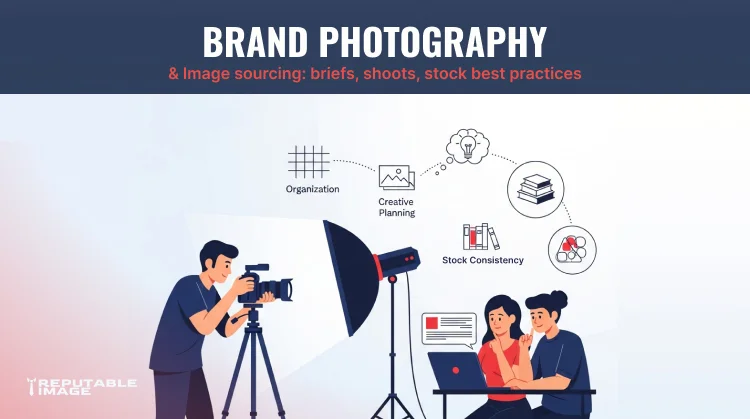
Visual content is often the very first interaction a potential customer has with your brand. Before they read a headline, scan a service description, or click a call-to-action, their eyes have already processed your imagery and formed an impression. That split-second judgment can determine whether they perceive your business as professional, trustworthy, and aligned with their needs—or whether they bounce to a competitor. From website banners and social media posts to brochures, advertisements, and email campaigns, the images you choose tell a story. High-quality, intentional visuals help establish credibility, communicate professionalism, and reinforce your brand identity at every touchpoint.
Custom brand photography offers something that no stock image can replicate: authenticity. When you invest in professional photographs of your actual products, team members, workspaces, and processes, you give customers a genuine window into your business. They see the faces behind the logo, the care that goes into your craft, and the real environment where their solutions are created. This transparency builds emotional trust—a currency far more valuable than any generic smiling headshot.
Authentic imagery also creates a deeper connection with your audience. Consider a local bakery: a stock photo of a generic croissant might look appetizing, but a custom photograph of a flour-dusted baker pulling a tray from the oven in your kitchen instantly communicates passion, craftsmanship, and origin. That connection fosters the kind of loyalty that generic imagery struggles to achieve.
Beyond trust, custom photography significantly improves visual consistency. When you own every shot, you control the lighting, color grading, composition, and overall mood. This allows you to build a unified visual language that threads through your website, social media, print collateral, and advertising. Customers exposed to that consistent look begin to recognize your brand immediately, even without a logo present. That level of recognition is the hallmark of a mature, memorable brand.
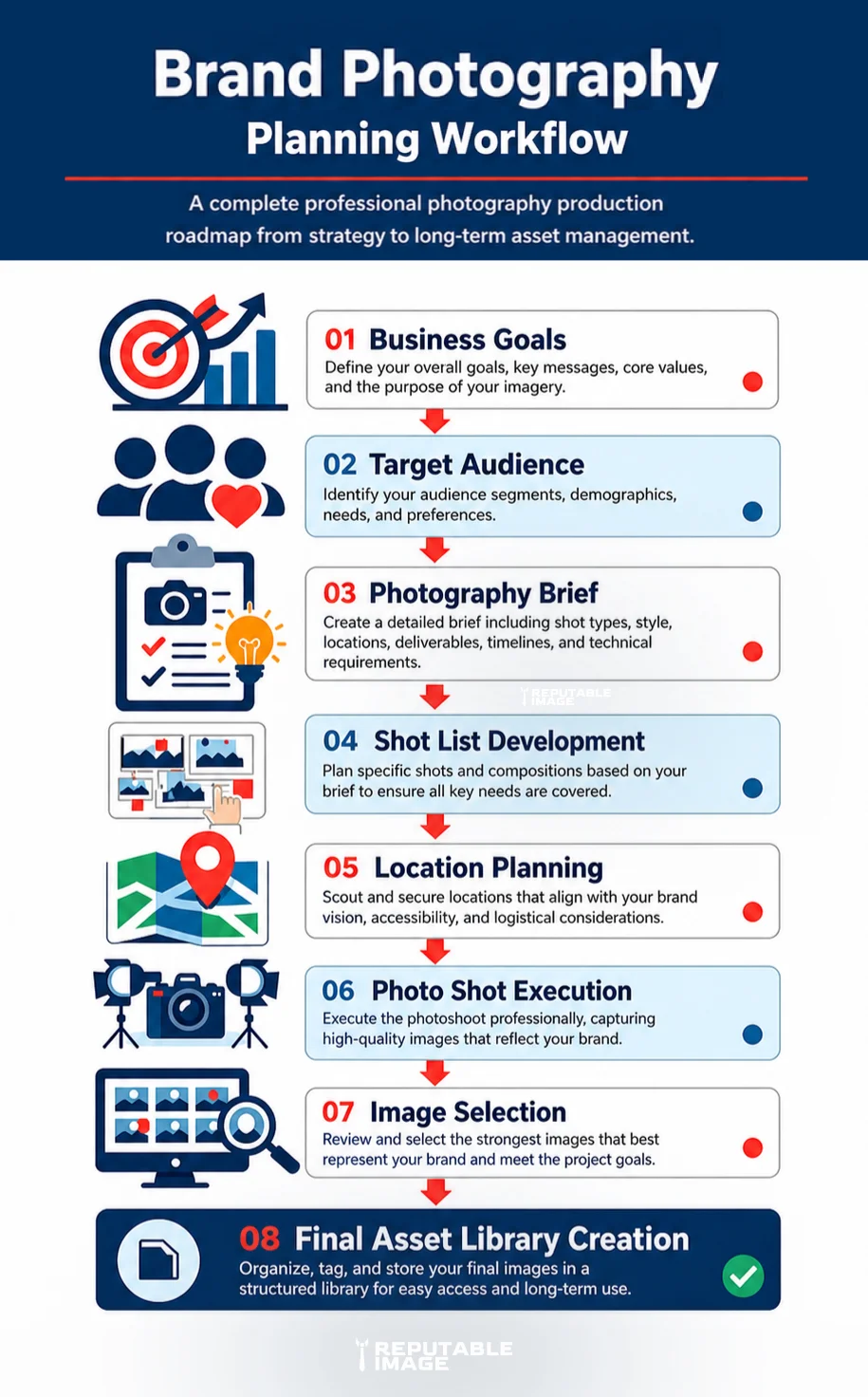
The bridge between a vague idea and a successful photo shoot is a well-crafted photography brief. This document serves as the north star for everyone involved—marketing managers, creative directors, and the photographer—ensuring that the final images align perfectly with strategic goals. A thoughtful brief eliminates guesswork, reduces expensive reshoots, and dramatically increases the likelihood that you’ll receive assets you can actually use.
At its core, a photography brief should articulate the purpose of the project. Are these images intended to refresh an outdated website? Launch a new product line? Populate a social media content calendar? Each objective demands a different style and subject matter. The brief must also define the target audience. Imagery that resonates with luxury buyers will look vastly different from visuals designed for budget-conscious families. Include demographic notes, psychographic insights, and even examples of competitors’ imagery that you admire—or want to avoid.
Technical and creative specifics are equally crucial. Describe the desired mood (e.g., bright and energetic vs. moody and intimate), color palette, aspect ratios (horizontal for website banners, vertical for Instagram Stories), and specific shot requirements. For a restaurant, you might list: wide shots of the dining room during golden hour, close-ups of signature dishes at a 45-degree angle, candid portraits of the chef preparing ingredients, and behind-the-scenes footage of the bar staff. Also specify any must-have props, wardrobe guidelines, and location logistics. The more detail you provide upfront, the more efficiently the shoot will run and the more versatile the final library will be.
Preparation separates a frantic, unproductive shoot from a smooth, asset-rich session. Before the camera clicks, map out exactly what you need. Start with a shot list that categorizes images by their end use: homepage hero banners, service page headers, social media posts, email templates, and print materials. This ensures you capture a variety of compositions, from tightly cropped detail shots to expansive, text-overlay-friendly scenes with ample negative space.
Logistics matter just as much. Scout locations in advance to evaluate natural lighting at different times of day. Confirm that any necessary permissions or permits are secured. Assemble a kit of backup supplies—batteries, memory cards, styling tools, and cleaning cloths—because minor hiccups can derail an entire afternoon. If people are your subjects, communicate wardrobe expectations clearly: solid colors often work best, busy patterns distract, and comfortable attire yields more natural expressions.
Think beyond immediate campaigns. While you have a photographer and set assembled, capture supplementary content that can fuel months of future marketing. Lifestyle shots showing your product in real-world use, environmental portraits of team members collaborating, and behind-the-scenes glimpses of your creative process all add incredible depth to your visual library. These assets can surprise and delight your audience down the line, keeping your feed fresh even after the primary campaign has concluded.
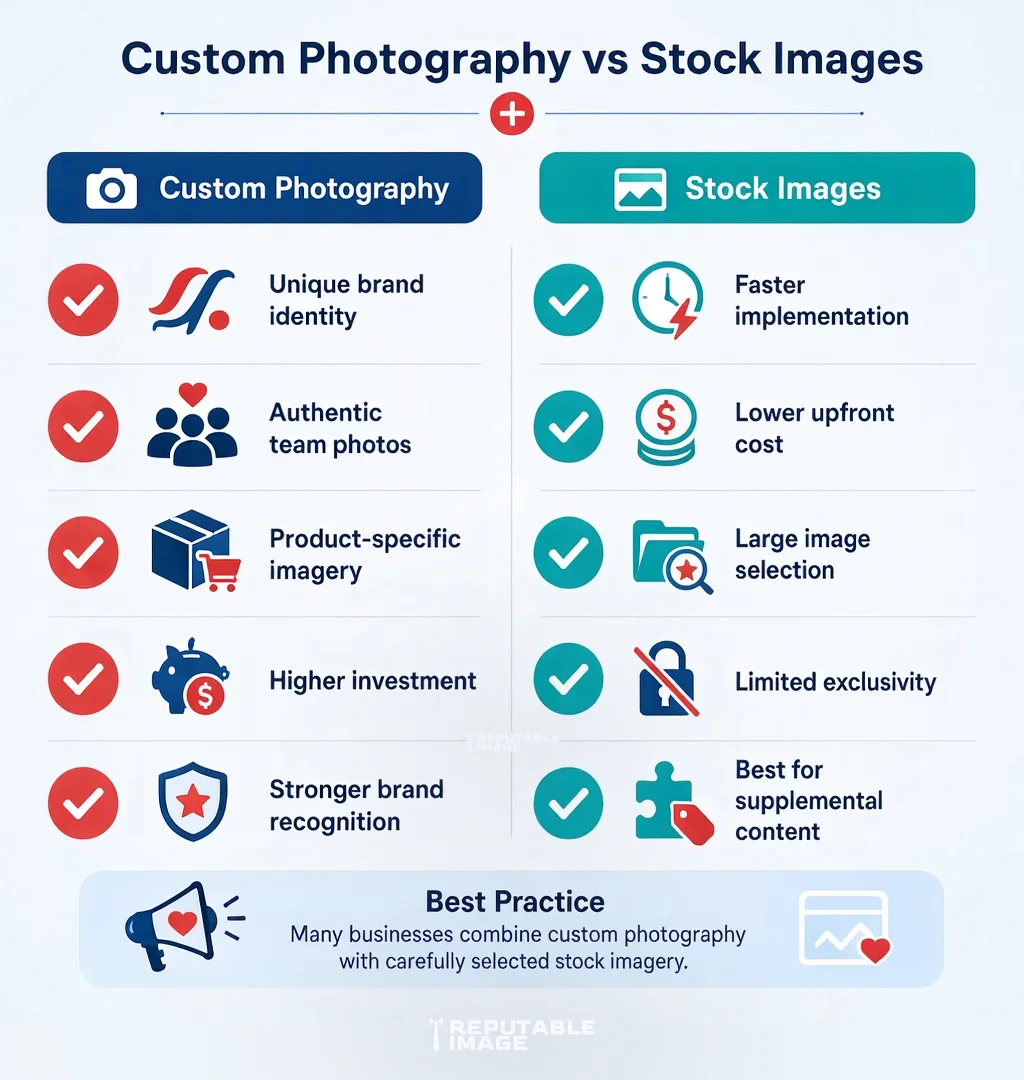
Stock photography, when wielded with care, is a legitimate and valuable resource. Not every marketing need justifies the time and expense of a custom shoot. For blog illustrations, abstract background textures, seasonal social media updates, or supporting graphics in presentations, high-quality stock imagery can fill gaps efficiently and cost-effectively.
The danger lies in selecting generic, overused images that erode your brand’s authenticity. We’ve all cringed at the ubiquitous “woman laughing alone with salad” or the sterile, too-perfect boardroom scene populated by models who have never worked a corporate job. These clichés signal to audiences that your brand is either out of touch or taking shortcuts, diminishing the hard-won credibility you’ve built elsewhere.
The key is to choose stock photos that align deeply with your brand personality and audience expectations. Look for images with natural lighting, genuine expressions, and compositions that don’t look staged. Many premium stock libraries now offer curated collections categorized by aesthetic style—minimalist, rugged, warm, corporate—which can help you maintain visual coherence. Whenever possible, customize stock assets with your brand’s color overlays, cropping, or even subtle text graphics. This small effort can make a stock photo feel like a bespoke part of your visual identity.
Whether an image originates from a custom photo shoot, a carefully selected stock library, or a user-generated content campaign, consistency is non-negotiable. A brand that jumps from dark, moody photography on its website to brightly saturated, high-contrast images on Instagram creates cognitive dissonance. This inconsistency erodes brand recall and makes a business appear disorganized.
Consistency encompasses far more than just color. It includes composition style (symmetry vs. asymmetry), depth of field (shallow and dreamy vs. deep and detailed), lighting temperature (warm and golden vs. cool and clinical), and subject matter focus (people-centric vs. product-only). Even the editing techniques applied in post-production—like the amount of contrast, saturation, and sharpening—must follow a unified standard.
Developing a set of visual brand guidelines is the most effective way to safeguard consistency over time. These guidelines should include a color palette with hex codes for digital use, examples of approved and unapproved photography styles, typography pairings that complement imagery, and rules for using filters or presets. When every team member, freelancer, or agency partner operates from the same playbook, your visual identity remains intact across every platform, campaign, and format. To create a more consistent visual identity, read Brand Style Guide: Fonts & Tone
A well-organized, searchable image library is one of the most underappreciated productivity tools in a marketer’s arsenal. When urgent requests come in—a last-minute blog post, a sponsorship opportunity, a local media inquiry—you shouldn’t have to scramble for a suitable visual. A structured library allows you to quickly locate approved, on-brand images and deploy them with confidence.
Start by centralizing your assets in a cloud storage platform or digital asset management (DAM) system that all relevant team members can access. Tag each image with relevant keywords: subject (team, product, office), orientation (horizontal, vertical, square), color scheme, and shoot date. Regularly audit the library to retire outdated images (old logos, discontinued products, former employees) and ensure that the collection evolves alongside your brand.
This library also maximizes the return on your photography investment. A single high-quality shoot can yield images that serve your website for years, populate dozens of social media posts, illustrate e-books and case studies, and feature in media kits. By rotating, cropping, and repurposing this content, you extract every ounce of value while maintaining a consistent visual thread that reinforces your brand’s narrative. To improve the effectiveness of your visual assets, read Graphic Design Basics.
Strong visual branding doesn’t happen by accident. It begins with intentional planning, continues with consistent execution, and requires ongoing stewardship. Whether you’re commissioning a custom photo shoot, drafting a detailed photography brief, or curating a selection of stock imagery, every visual asset contributes to the story your customers absorb about your business. A thoughtful, strategic approach to visual content creates a brand that is not only professional but deeply memorable.
At Reputable Image, we help businesses develop visual strategies that strengthen branding, improve consistency, and support long-term growth. If you’re ready to elevate your brand imagery and create a stronger visual presence, click below to Call for SEO help and get started.
